CROSS-MEDIA MARKETING

×

Error message

Deprecated function: The each() function is deprecated. This message will be suppressed on further calls in _menu_load_objects() (line 579 of /home/slsser5/public_html/slsdev/includes/menu.inc).
OUR CAPABILITIES


We don’t do one-size-fits-all when it comes to marketing campaigns. Your target audience isn’t all the same; why should your campaign be? It takes a little variety to reach all the ears you want to reach, and that’s where cross-media marketing comes in.

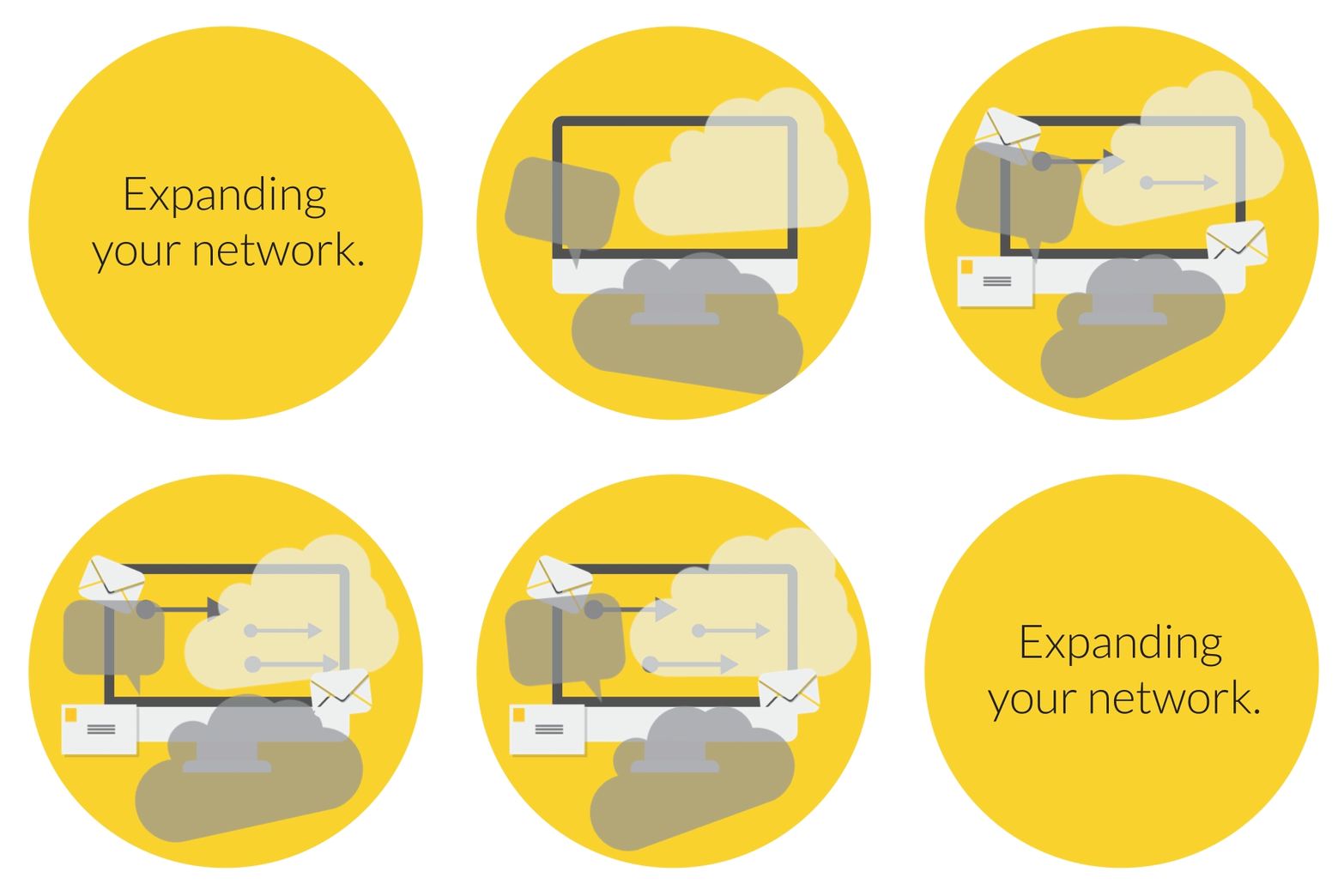
Cross-media marketing is comprised of two approaches—direct marketing, or reaching out to the people you know, and extended marketing, reaching out to the people you don’t. Direct marketing uses emails, direct mail, and enewsletters to let you send personalized, focused messages.

If you’re trying to reach a broader market and bring in new customers, extended marketing, which includes the use of web ads, websites, social media, AdWords, and mobile marketing, is a powerful approach. Because your website includes a broad range of information, it serves many different types of readers and can easily introduce your business to new potential customers.

The thing to remember about cross-media marketing is that you can mix and match. You can create a custom approach to reaching your audience that is tailored to your services, resources, and messaging. We can help you leverage these different options for the best results.
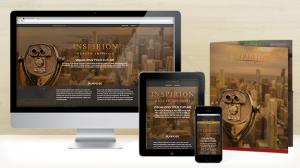
 

SEE OUR WORK >


LET'S TALK!

250 Waukegan Ave.

Highwood, IL 60040

Every color tells a story, and each of the roughly ten million colors that are visible to the human eye conveys a message by producing a chemical reaction in our brains. These messages are often tied to emotional responses, personal memories, and cultural context. They can impact our perception—when you assume that a yellow car on a city street is a taxi—and they can cause us to act—when that same taxi stops at a red light.

So, what happens when we boost this communication by giving the colors names? By adding in language, can we craft these messages and reframe these perceptions?

If you’ve ever opened a package of crayons, purchased a lipstick, or perused paint chips, you’re familiar with color names that fall out of the standard ROY G. BIV spectrum. These names hold a great deal of power, first and foremost, the ability to offer a fuller description of a particular color.

Pantone, the authority on color trends, chooses one “Color of the Year” to express the visual spirit of the year and to predict future trends. According to Pantone [1], the 2015 color “embodies the satisfying richness of a fulfilling meal while its grounding red-brown roots emanate a sophisticated, natural earthiness… [It is]…an earthy shade with a bit of sophistication… A matte finish highlights [its] organic nature while adding a sheen conveys a completely different message of glamour and luxury.” That’s a big message for one color to convey. Pantone has chosen the name “Marsala” from a wine originating in Sicily to perfectly encapsulate this meaning.

However, the most descriptive name isn’t always the most beneficial. According to Help Scout [2] citing this study [3], “when subjects were asked to evaluate products with different color names…‘fancy’ names were preferred far more often. For example, mocha was found to be significantly more likeable than brown—despite the fact that the researchers showed subjects the same color!”
This may even extend to purchasing power; for example, “It has also been shown[4] that more unusual and unique color names can increase the intent to purchase. For instance, jelly beans with names such as razzmatazz were more likely to be chosen than jelly beans names such as lemon yellow.” Thus, with the right color name, marketers can affect product appeal and even user choice.

Lilac Dew
Grape Scott!
Deep Eggplant